Architects versus architecture in Winchester
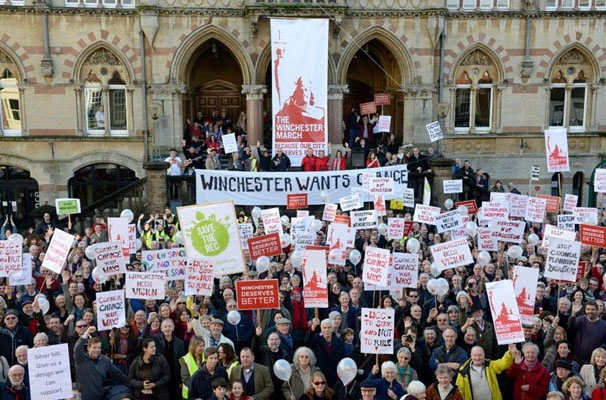
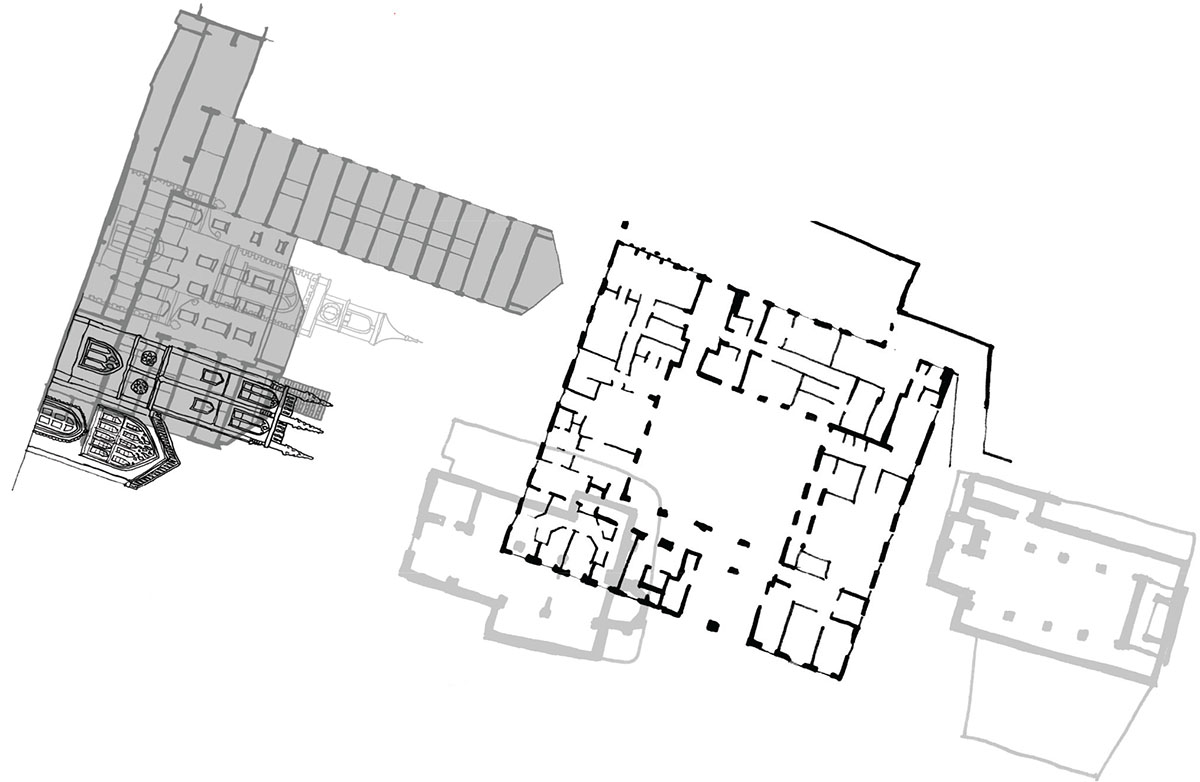
A group of local architects, led by neo-classicist Robert Adam, has taken to the streets in Winchester to protest against the successful planning application for a town centre redevelopment, designed by Allies and Morrison. This is an interesting spectacle.
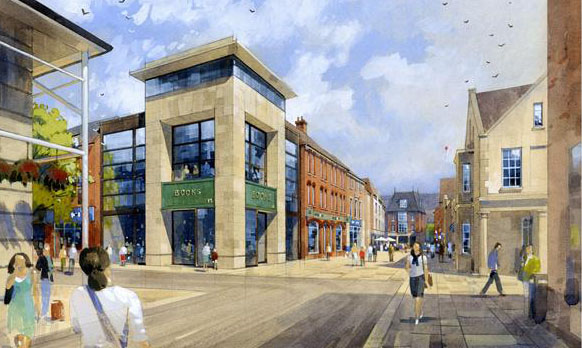
Robert Adam points out that the historical development of Winchester has been piecemeal, resulting in a rich diversity of building type. So it makes no sense to employ one architect to design a whole new district. He is clearly smarting that he did not get a look in – in fact he has come up with his own design regardless. But he makes a valid point. I am a fan of hotch-potch city planning in general. The problem is not so much that one architect has designed the entire scheme, as one developer owns the entire site. Collage urbanism works best when the ownership of plots is wider and denser. The architect here has tried to replicate the spirit of the historic build up of Winchester through close observation and working variation into the proposals, all-be-it with a contemporary aesthetic and with increased density. They haven’t done such a bad job.
Though in truth natural historic urban development cannot be replicated. In the past, small plots were developed piece by piece by local business interests as the local economy demanded. We now live in a speculative commercial environment where large construction firms dominate the industry. In the same way that multi-nationalism has influenced capitalism and consumerism, the trend towards BIG development and its associated economies of scale is having a profound effect on urbanism. The architectural practices that have embraced this change have been the most successful.
So if we accept the premise of development – we have to accept that things will be different. Or is there an alternative? I am not sure that drawing up parallel proposals or waving placards is going to help although it does flag up the issue. The only real way of tackling the problem is by returning to smaller scale development. I would like to see more crowd-sourced development projects appear. A spread of ownership in new development. This way we might return a bit of diversity and interest to contemporary construction projects, whilst providing uses that people feel inspired by.
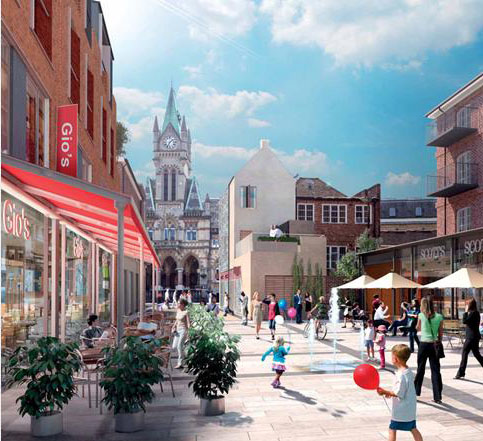
Rival schemes for Silver Hill by Allies and Morrison (above), and Robert Adam (below).